
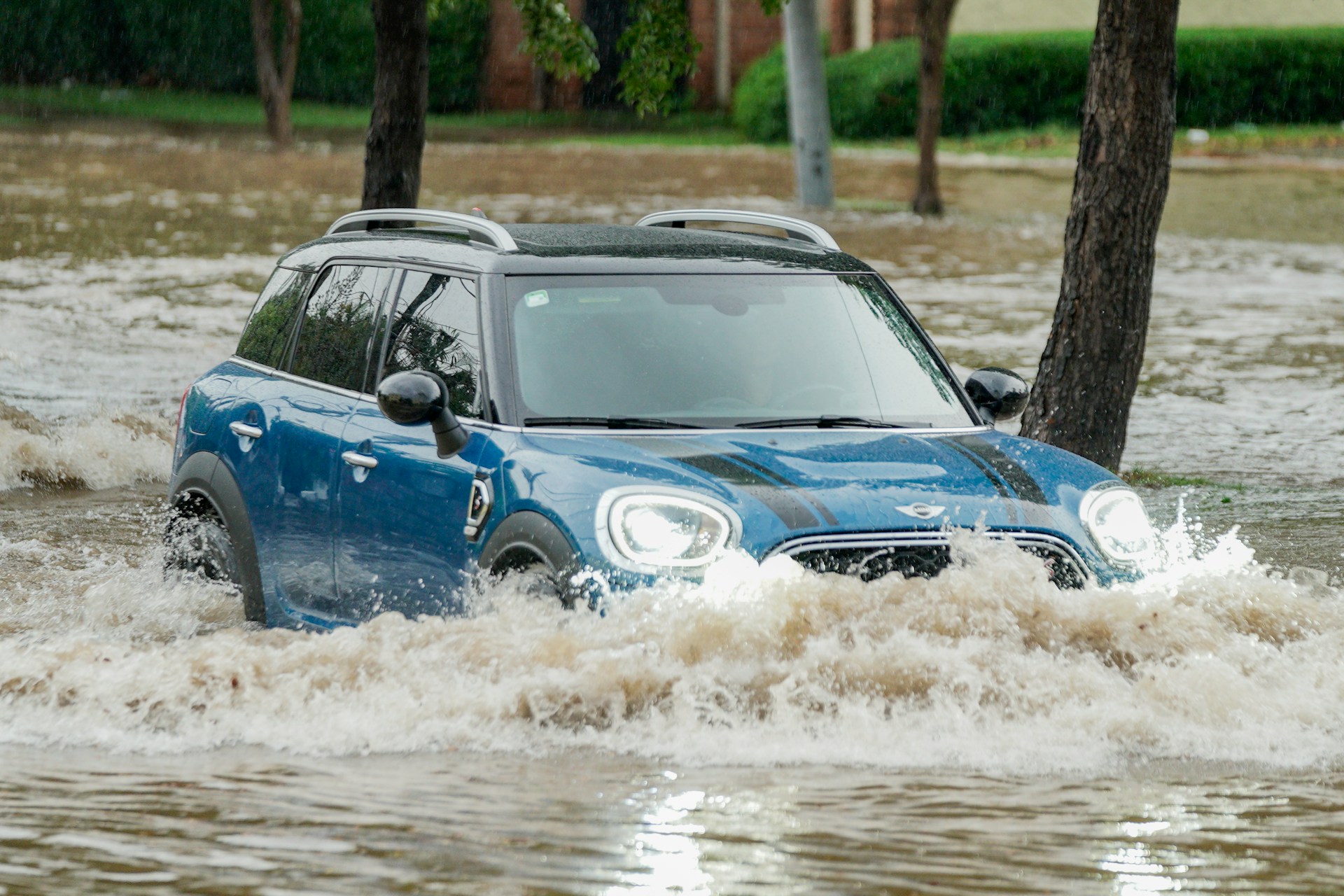
Essential Steps to Take When Your Car Is Flooded
Flooding can happen unexpectedly, and few situations are as stressful as seeing your vehicle submerged in water. From sudden storms to overflowing rivers, floodwaters can pose immediate safety risks and long-term damage to your car. Understanding how to respond quickly and effectively can minimize the harm and prevent costly repairs. Acting without panic, assessing the situation, and taking the correct measures can protect both you and your vehicle. Many drivers are unsure what to do first, which can lead to dangerous mistakes. This guide outlines the essential steps to take when your car is flooded, focusing on the top actions that can safeguard your safety and reduce damage to your vehicle.
Prioritize Safety and Exit Immediately
The first and most critical step when a car is submerged in floodwater is to prioritize personal safety. Do not attempt to start the engine, as electricity and water can create dangerous conditions. If the water level is rising quickly, exit the vehicle as soon as possible. Open doors or windows carefully, remembering that water pressure may make it difficult to open doors fully. In some cases, breaking a window with a safety tool may be necessary. Once out, move to higher ground immediately and avoid walking through deep or fast-moving water. Staying safe is the primary concern, as floodwaters often conceal hazards like debris or contaminated water.
Avoid Starting the Engine
 A common mistake after a car has been flooded is attempting to start it. Doing so can cause severe damage to the engine and electrical systems, potentially turning a repairable car into a total loss. Water entering the engine, transmission, or fuel system can cause irreversible harm, and the cost of repairing these components often exceeds the vehicle’s value. Instead, allow the vehicle to dry and assess the damage with professional help. Disconnecting the battery can further prevent electrical shorts or fires. Remember, starting the car too soon can worsen the situation, so patience is critical at this stage.
Document the Damage for Insurance
Once personal safety is secured, documenting the flood damage is crucial. Take clear photographs of the vehicle inside and out, showing water levels, interior damage, and any visible mechanical issues. Record the time, date, and location of the flood event for your records. This documentation supports insurance claims and provides evidence of the extent of the damage. Notify your insurance provider promptly, as some policies have strict timelines for reporting flood-related incidents. Proper documentation ensures that you receive fair compensation and can help avoid disputes with your insurer regarding the damage caused by the floodwaters.
Remove Water and Dry the Interior
After assessing the damage and notifying your insurance, begin the process of removing water from the interior. Use a wet-dry vacuum, absorbent towels, or specialized pumps to extract standing water. Remove floor mats, seat covers, and any items that may retain moisture. Drying the vehicle thoroughly helps prevent mold growth, unpleasant odors, and long-term damage to upholstery or electronics. Ventilate the car by opening doors and windows, and if possible, use fans or dehumidifiers to accelerate drying. Although professional detailing may be necessary, these initial steps can significantly reduce water damage and preserve the interior’s condition.
Seek Professional Inspection and Repairs

Finally, once the vehicle is drained and dried, have it inspected by a professional mechanic. Floodwater can affect electrical systems, brakes, transmissions, and other critical components that may not show immediate signs of damage. A thorough inspection identifies hidden problems that could compromise safety or performance. Depending on the severity, your mechanic may recommend repairs or advise that certain systems be replaced entirely. Acting promptly with professional assistance increases the chances of restoring your car to safe and reliable condition, reducing the risk of long-term issues caused by water exposure.
Dealing with a flooded vehicle is stressful, but following the correct steps can protect both your safety and your car. Prioritizing personal safety, avoiding engine ignition, documenting the damage, removing water, and seeking professional inspection are the top five measures to minimize harm. Acting quickly and cautiously allows you to handle the situation effectively, preventing costly repairs and ensuring that your vehicle can be properly restored. Awareness and preparation for flooding scenarios are essential for every driver, as swift action can make all the difference between minor damage and a total loss.